ALDOTRIOSE
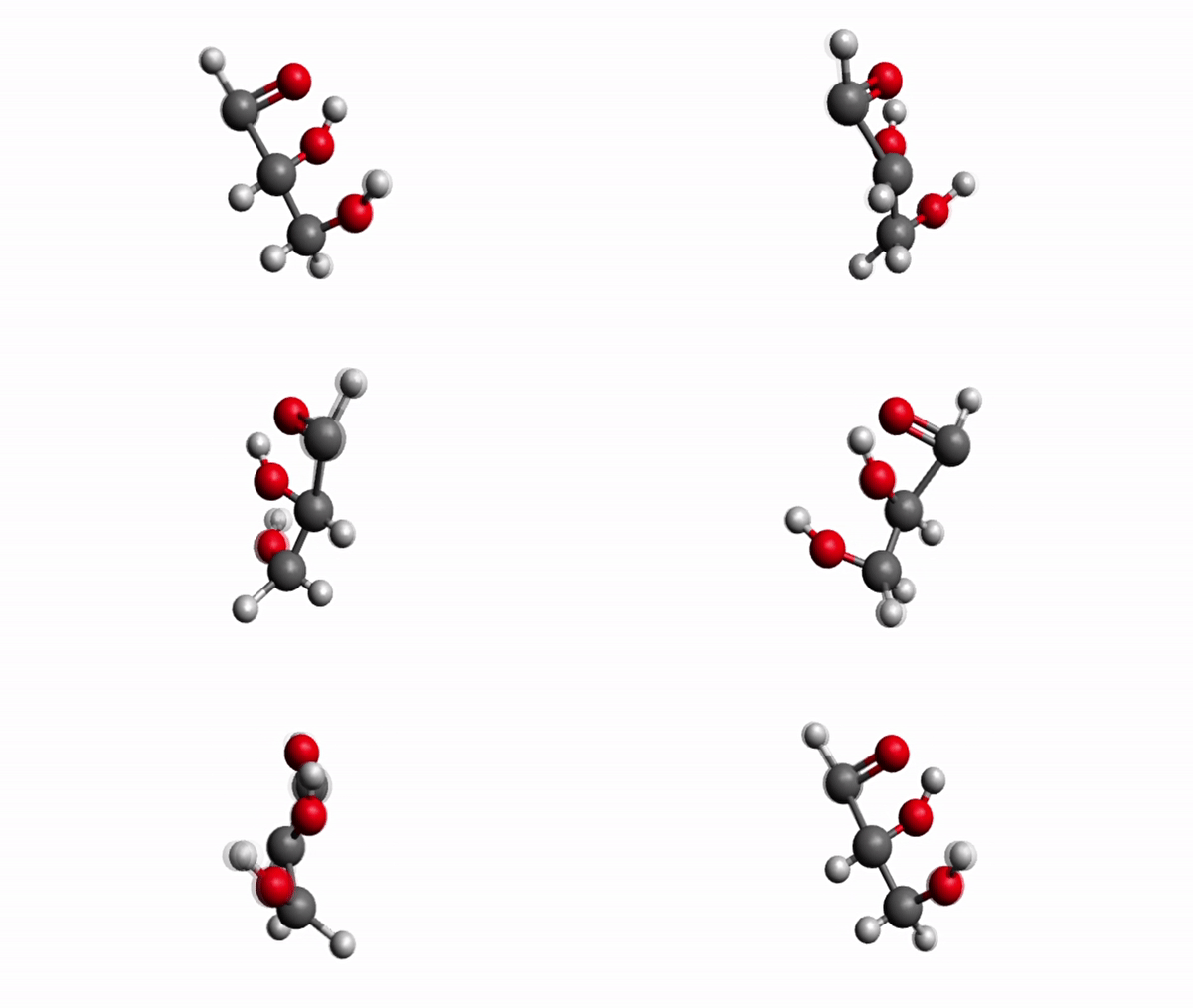
Aldotriose is a monosaccharide having both an aldehyde group (an aldose) and three carbons (a triose).
STRUCTURE
To be an aldotriose, monosaccharide must qualify as both aldose and triose. Being triose means that it must contain three carbon atoms, either in an open chain or closed ring. On the other hand, it must also contain a carbonyl group on the endmost carbon atom to make it an aldose.
COMMON EXAMPLE
A common example of aldotriose is glyceraldehyde (L-glyceraldehyde and D-glyceraldehyde). It is an important biochemical compound involved in different metabolic pathways, such as glycolysis.
LEGEND
RED - Oxygen
BLACK - Carbon
GREY - Hydrogen
ALDOTETROSE
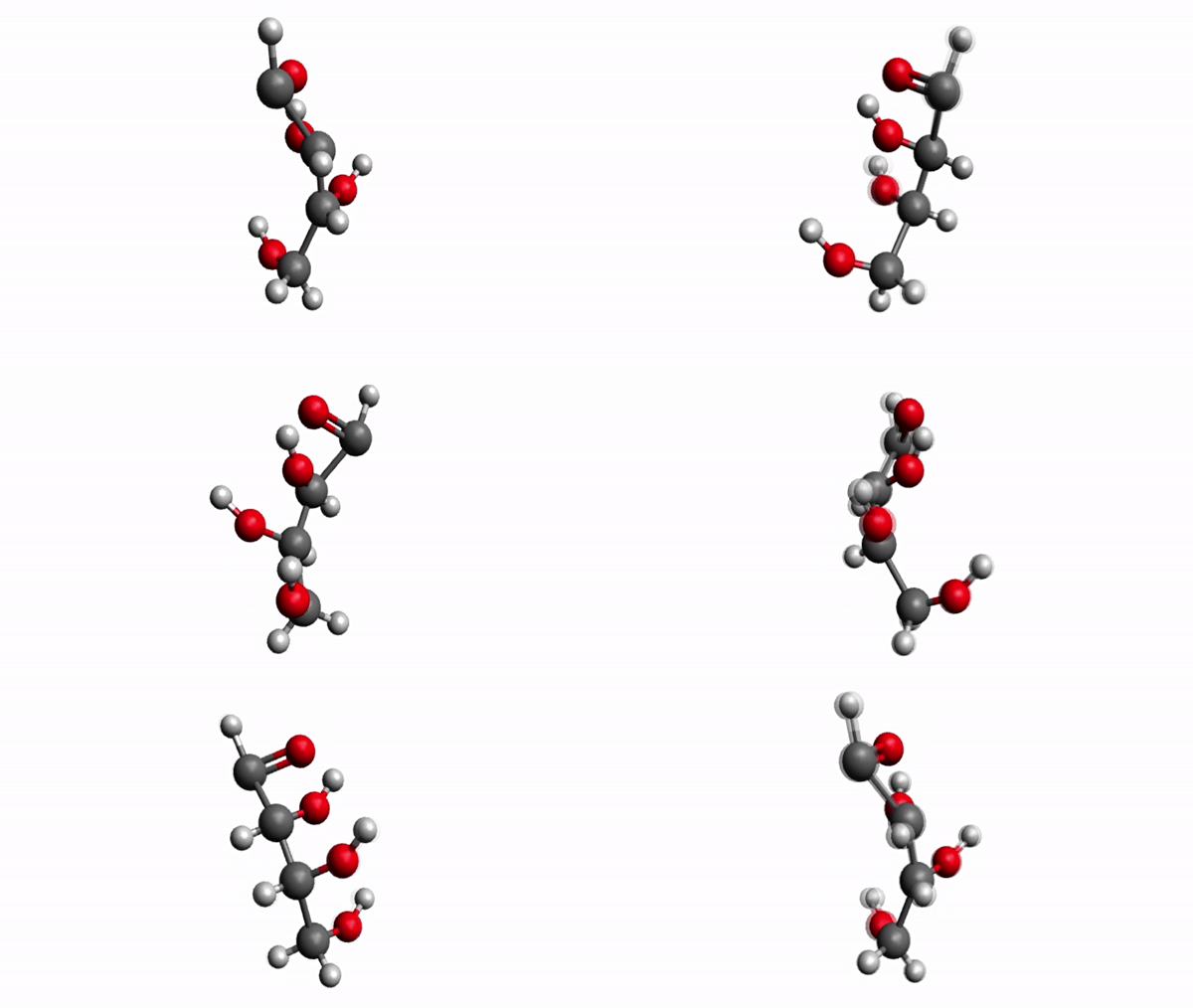
Aldotetrose is a monosaccharide having both an aldehyde group (an aldose) and four carbons (a tetrose).
STRUCTURE
To be an aldotetrose, monosaccharide must qualify as both aldose and tetrose. Being tetrose means that it must contain four carbon atoms, either in an open chain or closed ring. On the other hand, it must also contain a carbonyl group on the endmost carbon atom to make it an aldose.
COMMON EXAMPLE
A common example of aldotetrose is erythrose. Erythrose 4-phosphate serves as an intermediate in the pentose phosphate pathway and the Calvin cycle. Oxidative bacteria can also be made to use erythrose as its sole energy source.
LEGEND
RED - Oxygen
BLACK - Carbon
GREY - Hydrogen
ALDOPENTOSE
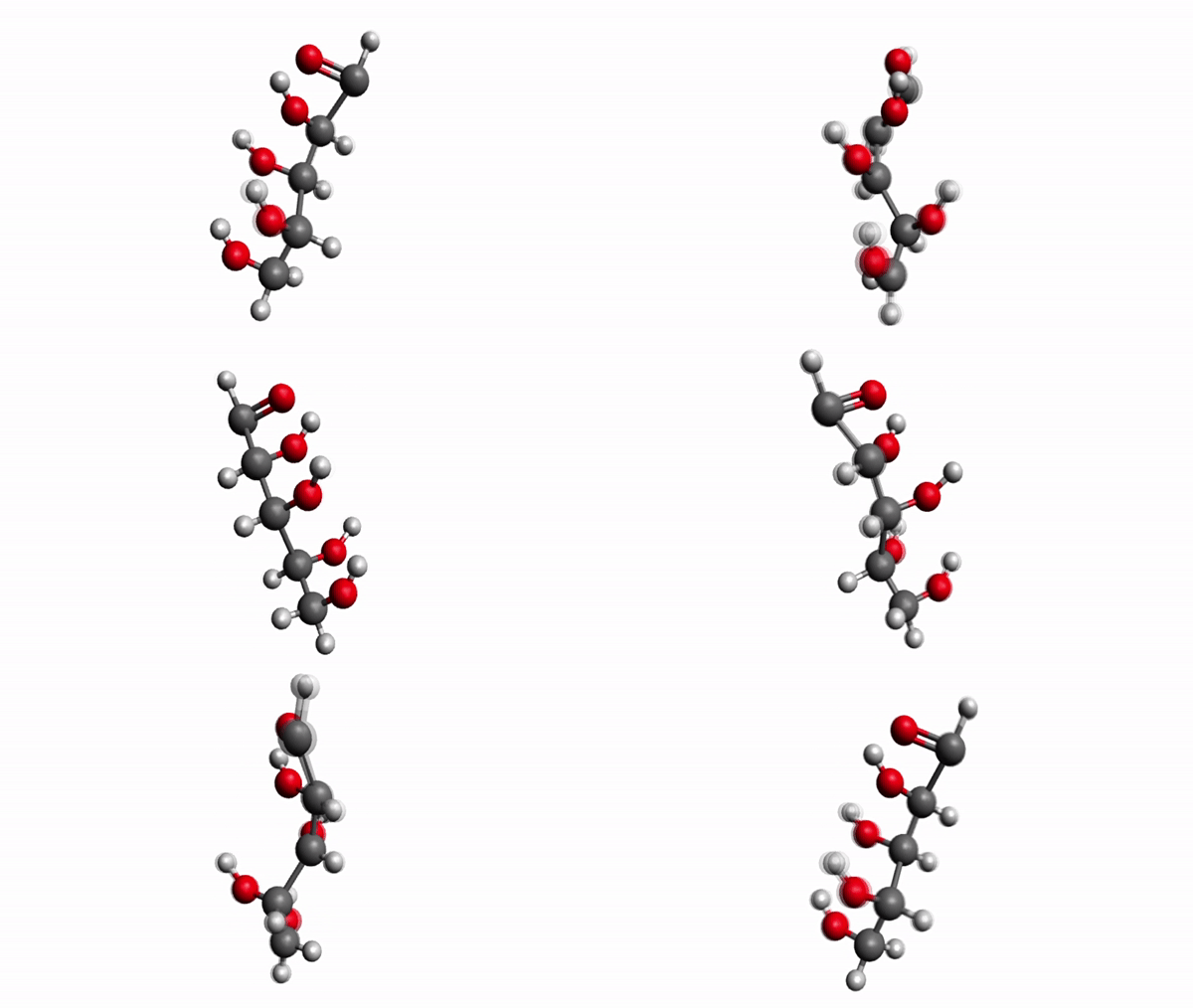
Aldopentose is a monosaccharide having both an aldehyde group (an aldose) and five carbons (a pentose).
STRUCTURE
To be an aldopentose, monosaccharide must qualify as both aldose and pentose. Being pentose means that it must contain five carbon atoms, either in an open chain or closed ring. On the other hand, it must also contain a carbonyl group on the endmost carbon atom to make it an aldose.
COMMON EXAMPLE
A common example of aldopentose is ribose. It serves as the rate-limiting compound in the production of Adenosine Triphosphate (ATP), which provides energy to our cells.
LEGEND
RED - Oxygen
BLACK - Carbon
GREY - Hydrogen